
Pay-How-You-Drive Programs: A Fair Deal for Careful Older Drivers?
Telematics programs price coverage on measured driving instead of assumptions. For low-mileage retirees that can help — but the tracking tradeoffs deserve a clear-eyed look first.

Covers policy renewals, final expense questions, auto and home coverage, and plain-English checklists for readers 55+.
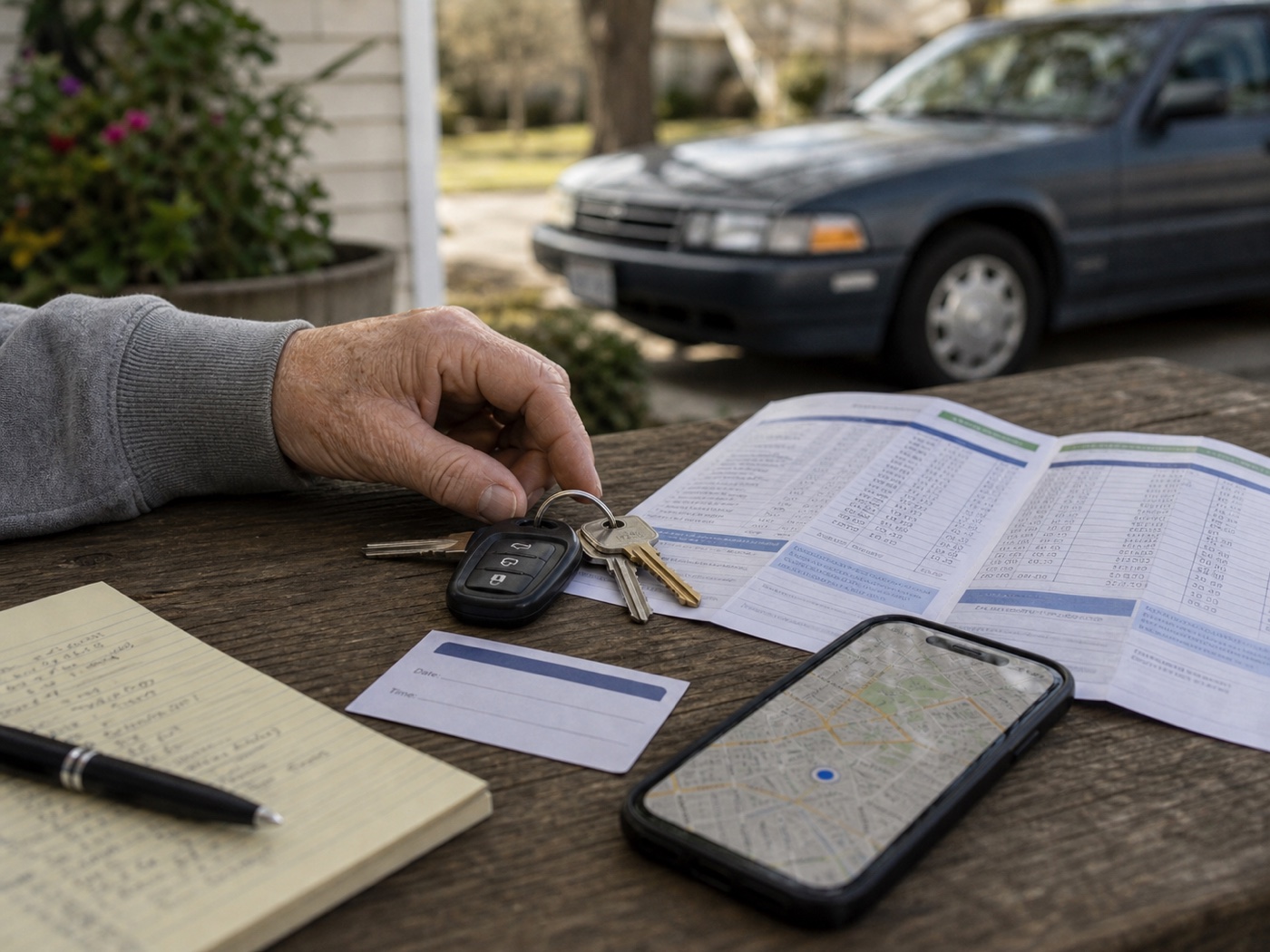
What these programs actually measure
Usage-based programs use a phone app or plug-in device to record mileage and driving behavior — commonly braking, acceleration, speed, phone handling, and time of day. Pricing then reflects the recorded driving rather than broad categories alone.
Who tends to benefit
Retired drivers who log low annual mileage and mostly drive short daytime routes are often the profile these programs price well. Drivers who frequently drive at night or brake hard may see no benefit, and in some programs rates can rise based on recorded driving. Ask directly whether the program can increase the premium, not just discount it.
The privacy questions to ask before enrolling
The data is the product, so ask what is collected, how long it is kept, whether it can be used in claims or shared, and how to leave the program. A legitimate insurer will answer these in writing.
- What exactly is recorded, and by app or by device?
- Can recorded driving raise my rate or affect a claim?
- How do I opt out, and does the discount disappear?
Compare against the simpler discounts first
Before adding tracking, ask what the insurer already offers for low annual mileage, retired status, defensive-driving courses, and bundling. Sometimes the untracked discounts get close to the telematics price without the monitoring.
Where to verify this yourself
These official and consumer-protection sources cover the programs and rules discussed above. Rules change, so check the current version before acting.
Was this checklist useful?
One anonymous answer per reader. Results guide the editorial desk and are not displayed publicly until enough real votes exist.