
The Knock on the Door: What the Cooling-Off Rule Lets You Undo
Federal rules give consumers three business days to cancel many door-to-door sales. Sellers who know you have that right are noticeably calmer than sellers hoping you do not.

Tracks confusing benefit language, Medicare ads, home-safety offers, call-center claims, and consumer-safety red flags.
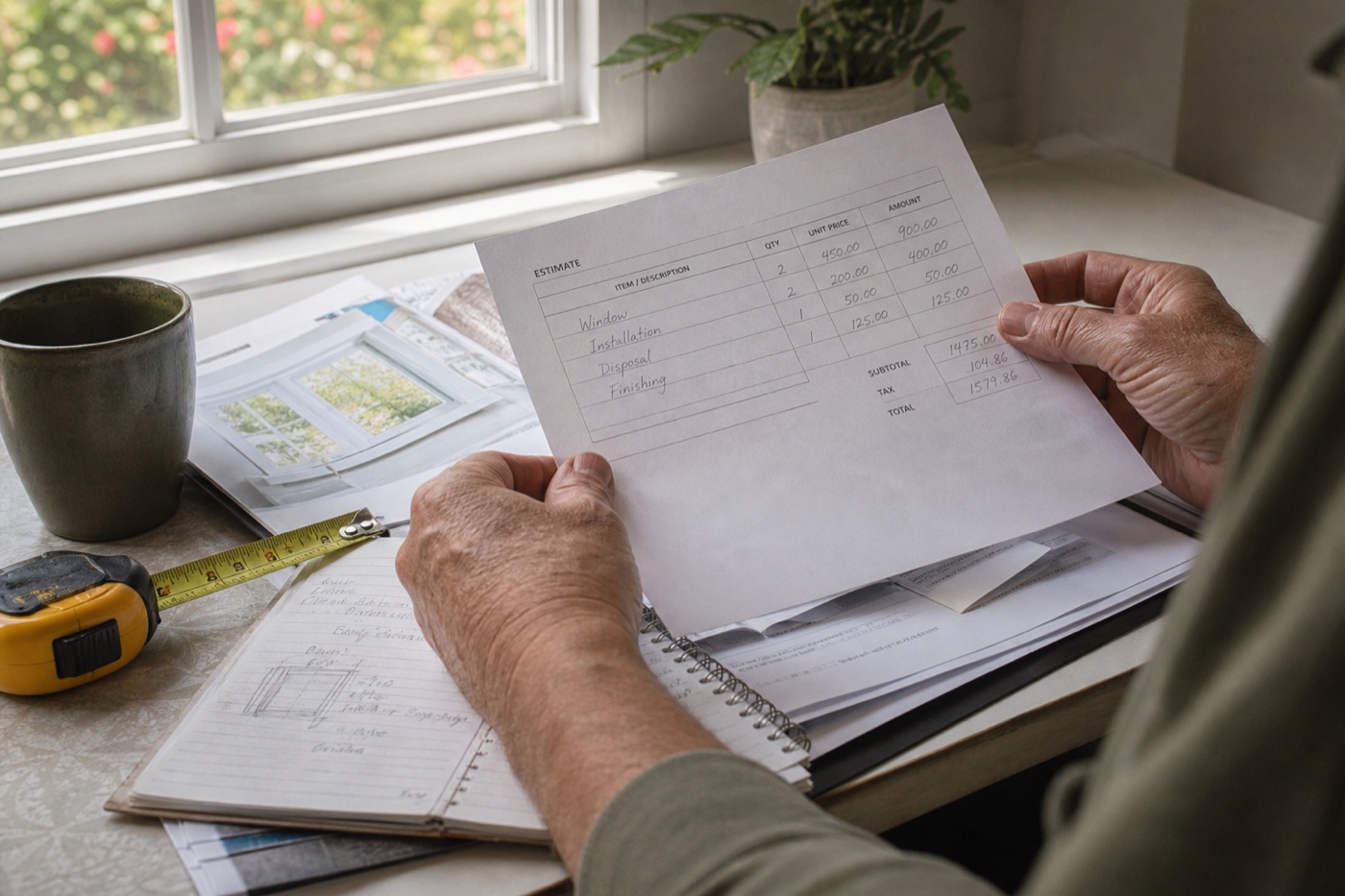
What the Cooling-Off Rule covers
The FTC’s Cooling-Off Rule gives buyers three business days to cancel many sales made at their home or at temporary locations like hotel ballrooms and fairs, generally for purchases above a small dollar threshold. The seller is required to tell you about the right and give you a cancellation form at the time of sale.
How to cancel correctly
Cancellation must be in writing within the window — the signed form or a dated letter works. No reason is required, and the seller has obligations to refund and arrange pickup of goods. Keep a copy of everything with the date visible.
- Cancel in writing within three business days.
- No explanation is required by the rule.
- Keep dated copies of the contract and the cancellation.
Know the exceptions before relying on the rule
The rule has exceptions — including real estate, insurance, securities, and emergency home repairs where the buyer waives the right. For a home-improvement contract signed at the kitchen table, ask the seller directly which cancellation right applies and where it is printed.
Patterns that should end the conversation
Today-only pricing, requests for large cash deposits, no printed address or license number, and reluctance to leave paperwork are each individually disqualifying at the door. A seller who discourages you from taking three days is telling you what the three days would reveal.
Where to verify this yourself
These official and consumer-protection sources cover the programs and rules discussed above. Rules change, so check the current version before acting.
Was this checklist useful?
One anonymous answer per reader. Results guide the editorial desk and are not displayed publicly until enough real votes exist.