
The One-Hour Subscription Audit: Streaming, Apps, and Quiet Renewals
Small monthly charges are designed to be forgettable. A one-hour audit of bank and card statements usually finds at least one service nobody has used in months.

Focuses on senior discounts, household bills, local relief programs, debt pressure, and fixed-income budgeting topics.
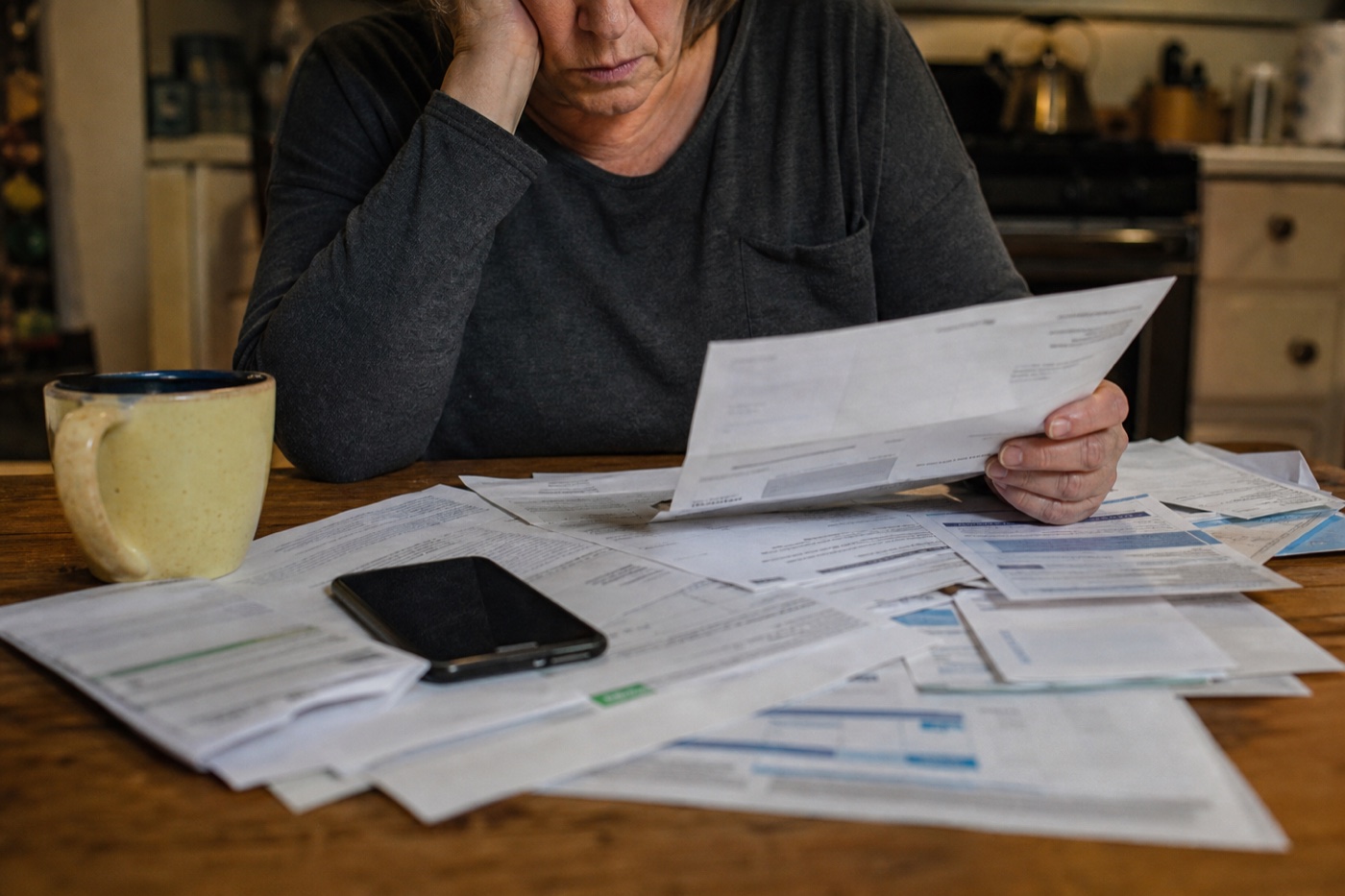
Work from statements, not memory
Print or pull up the last three months of bank and card statements and highlight every recurring charge. Memory misses the ones that matter — the app store charge with an unclear name, the free trial that quietly converted, the second streaming service added for one show.
- Streaming video, music, and cloud storage plans.
- App store and game subscriptions, often billed under a platform name.
- Delivery and warehouse memberships, and their renewal dates.
- News, magazine, and hobby-box renewals.
Decide keep, pause, or cancel — in writing
For each charge, ask when it was last used. Many services allow pausing instead of canceling, which suits seasonal viewing. For the ones to cancel, note the date and confirmation number; if a charge continues afterward, that record is what fixes it quickly with the card issuer.
Small monthly charges are designed to be forgettable.
Cancellation should not be a maze
The Federal Trade Commission has pursued companies that make signing up easy and canceling hard, and it publishes plain guidance on what to do when a subscription will not die. If a company keeps billing after a documented cancellation, dispute the charge with the card issuer and report the pattern to the FTC.
Watch the bundle math
Bundles of streaming, phone, and shopping perks can be real value or just a bigger bill with extra steps. Compare the bundle price against only the parts the household actually uses. Paying for four services to use two is the most common finding of this audit.
Where to verify this yourself
These official and consumer-protection sources cover the programs and rules discussed above. Rules change, so check the current version before acting.
Was this checklist useful?
One anonymous answer per reader. Results guide the editorial desk and are not displayed publicly until enough real votes exist.